Why Hi-Fi Depreciation Is More Than Just Numbers
In my experience, depreciation is one of the least discussed — yet most impactful — aspects of the Hi-Fi hobby. We spend endless hours debating cables, DAC chips, and amplifier topology, but far fewer talk about what happens after the purchase.
Understanding Hi-Fi depreciation changes how you buy. It allows you to:
- Upgrade without heavy financial loss
- Experiment with different sound signatures
- Exit components cleanly when tastes or rooms change
In active markets like Singapore and across Asia, where pre-owned Hi-Fi equipment moves quickly, this knowledge is especially useful. This is where an online marketplace like SoundTribeAsia comes in! a trusted gathering of verified vendors all under one roof!
Components That Depreciate the Most (and Why)
1) Streamers and Network Audio Players
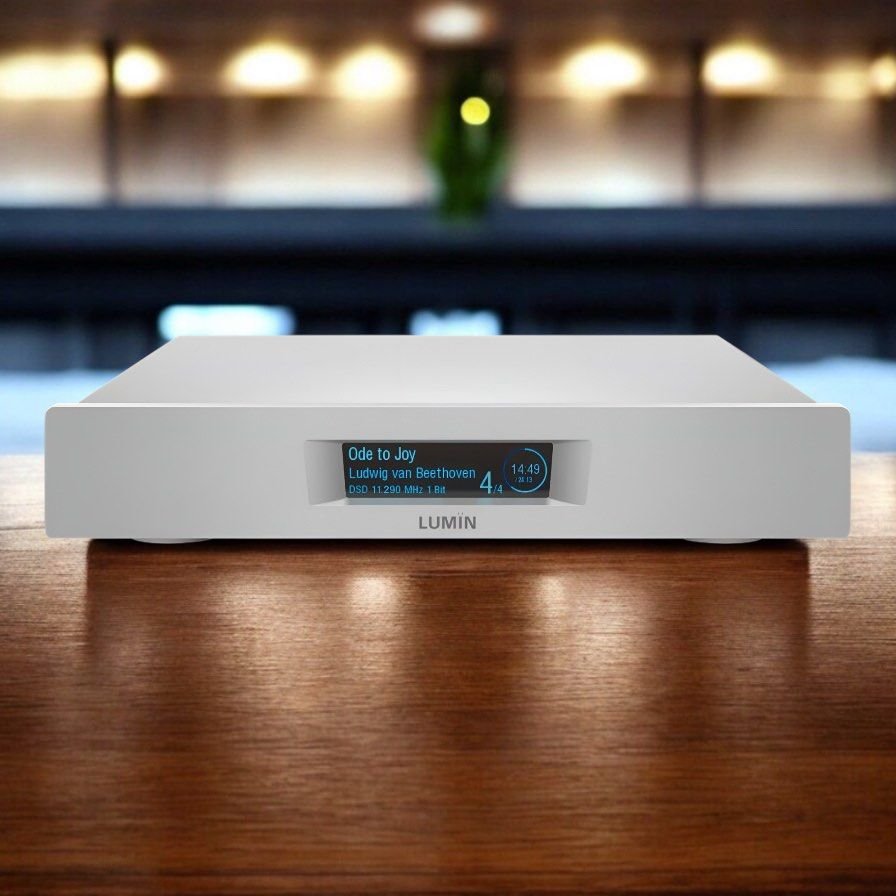
Streamers are, without question, the fastest-depreciating category I’ve encountered. The issue isn’t sound quality — many older streamers still sound excellent. The problem is software dependency. Once app support ends or streaming services move on, resale value drops sharply.
A five-year-old network player that once retailed at SGD 4,000 may struggle to fetch SGD 1,800 today. Models tied to discontinued control apps often depreciate even faster.
Typical depreciation: 40–60%
Streamers are some of the best used Hi-Fi equipment buys — but rarely good long-term new purchases unless software support is guaranteed.
2) Entry-Level DACs & Digital Sources
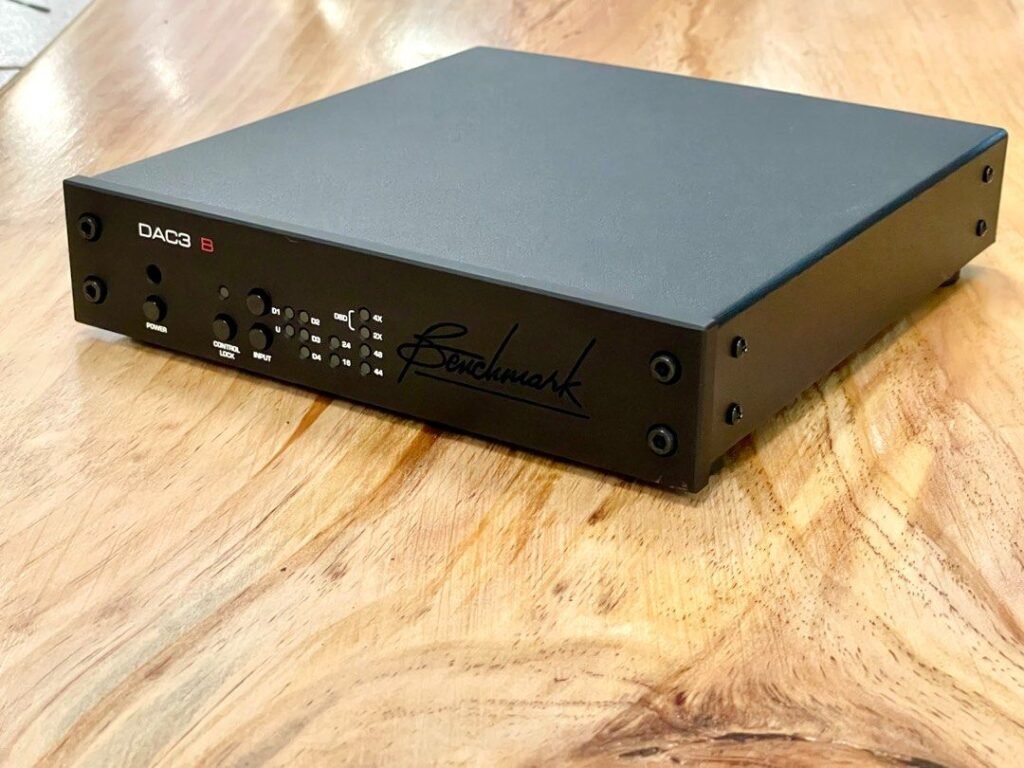
Entry-level digital components face brutal competition. New models arrive yearly, often marketed around incremental spec upgrades rather than meaningful sonic improvements.
Budget DACs using popular chipsets tend to flood the second-hand market quickly. CD players without standout transport mechanisms or brand heritage lose relevance fast.
Typical depreciation: 35–50%
Either buy very affordably or step up to higher-tier designs with better longevity.
3) AV Receivers
AV receivers depreciate faster than almost any Hi-Fi component. Why? Because they’re defined by formats, codecs, and HDMI standards, not timeless sound quality.
A premium AVR from five years ago may lack current HDMI standards, severely limiting resale. Even lightly used units can lose more than half their value.Treat AVRs as tools, not investments.
Typical depreciation: 50–70%
Components with Moderate, Predictable Depreciation
4) Solid-State Amplifiers
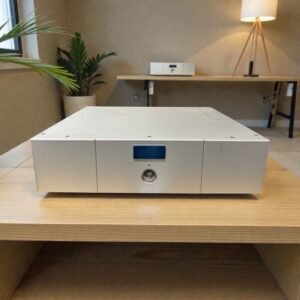
Solid-state amplifiers sit in a reassuring middle ground when it comes to Hi-Fi depreciation. In my experience, a well-designed solid-state amp doesn’t suddenly lose relevance just because a newer model is released. Good circuit design ages slowly — and that’s exactly why these amplifiers hold value better than most digital components.
Integrated amplifiers often lose 25–35% initially, then stabilise. Power amplifiers depreciate even less due to simpler signal paths their well-built designs remain desirable for a decade or more
In Singapore and across Asia, many buyers actively seek used Hi-Fi amplifiers because they offer a meaningful upgrade path without the new-product premium.
Typical depreciation: 25–40%
If you’re buying solid-state amplification, this is one category where buying pre-owned Hi-Fi equipment often makes more sense than buying new. You’re paying for engineering, not novelty.
5) Turntables
Turntables are refreshingly old-school. Bearings, motors, and tonearms don’t become obsolete overnight.
A Mid- to high-end belt-drive turntables often lose only 20–30%. Designs with upgrade paths (plinths, power supplies, tonearms) hold value especially well. Discontinued models with loyal followings often stabilise quickly on the used Hi-Fi equipment market
Many turntables are sold not because they underperform, but because owners move house, change racks, or downsize — making them excellent pre-owned audio equipment Singapore buyers’ finds.
Typical depreciation: 20–35%
Buy condition, not age. A well-maintained older turntable will almost always outperform a poorly built new one at the same price.
Components That Depreciate the Least
6) Loudspeakers
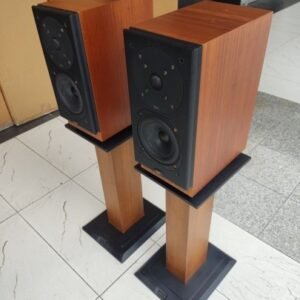
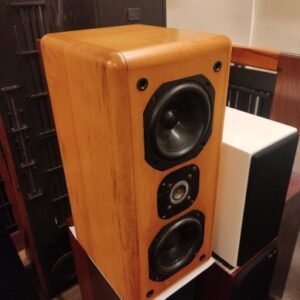
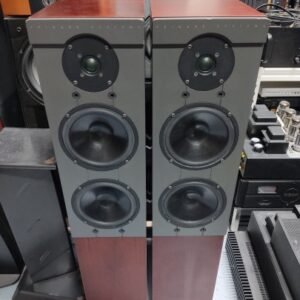
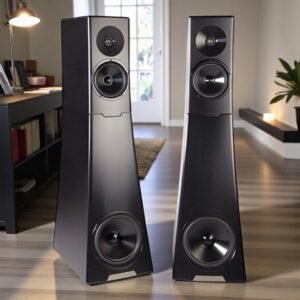
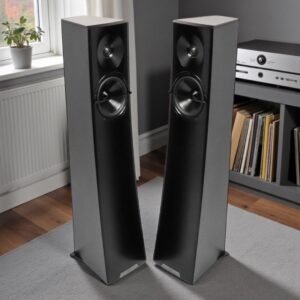
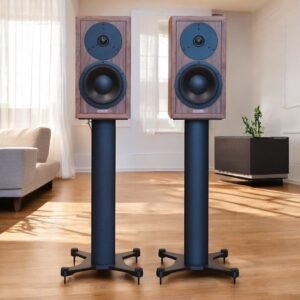
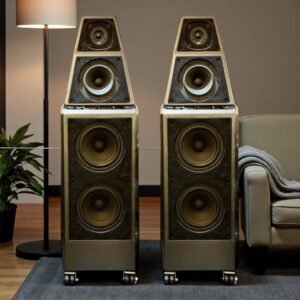
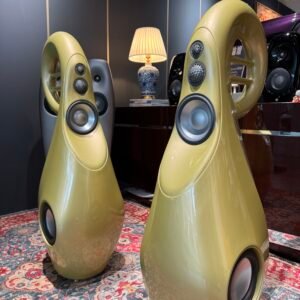
If there’s one category where depreciation consistently slows down after the initial drop, it’s loudspeakers. In my experience, good speakers age better than almost any other Hi-Fi component — both sonically and financially.
The reason is simple: fundamental loudspeaker design evolves slowly. While materials and manufacturing improve, the core principles — cabinet rigidity, driver integration, crossover design, and dispersion control — haven’t radically changed in decades.
And the reason? Long product life cycles (often 8–15 years per model), No reliance on software or firmware, Mechanical components that age predictably, Strong brand and model recognition. A well-designed speaker from 10 years ago doesn’t suddenly become obsolete just because a new model exists. In many cases, discontinued speakers even gain cult status, stabilising or improving resale value.
A flagship floorstander may lose 20–25% early on, then plateau for years. Well-known bookshelf speakers often circulate steadily in the used Hi-Fi equipment market. Large speakers are frequently resold due to room changes, not performance issues
If budget allows, speakers are where I’m most comfortable spending — new or pre-owned. They anchor the system and rarely punish you financially later.
7) Analogue Electronics (Tube Amps & Phono Stages)
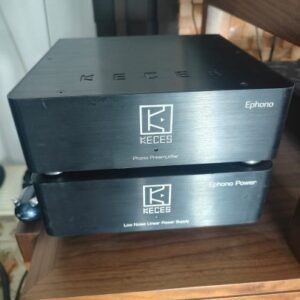
Analogue Hi-Fi electronics — especially tube amplifiers and phono stages — occupy a unique position in the depreciation landscape. They don’t chase formats, firmware, or connectivity standards. Their relevance is tied almost entirely to sound quality and build integrity.
No digital obsolescence. Straightforward servicing and repair. Stable demand from vinyl-focused listeners. Strong emotional and tactile appeal. Tube amplifiers, in particular, are built around transformers and circuit topology — not chips that get replaced every two years. A well-designed tube amp from 15 years ago can sound just as compelling today.
Typical depreciation: 10–25%
These components age with character, not irrelevance. Buying would be based on condition and not age.
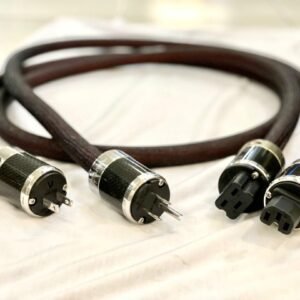
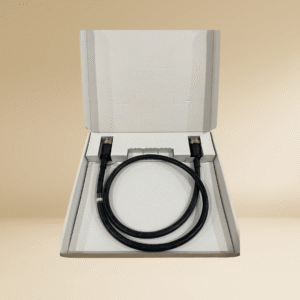
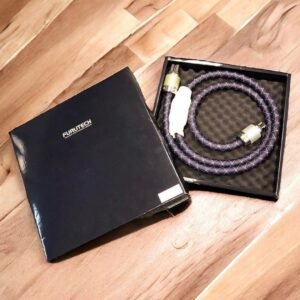
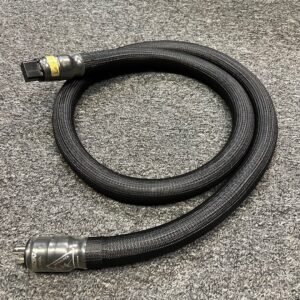
8) Cables, Racks & Accessories
This surprises many people, but premium accessories often depreciate very little.
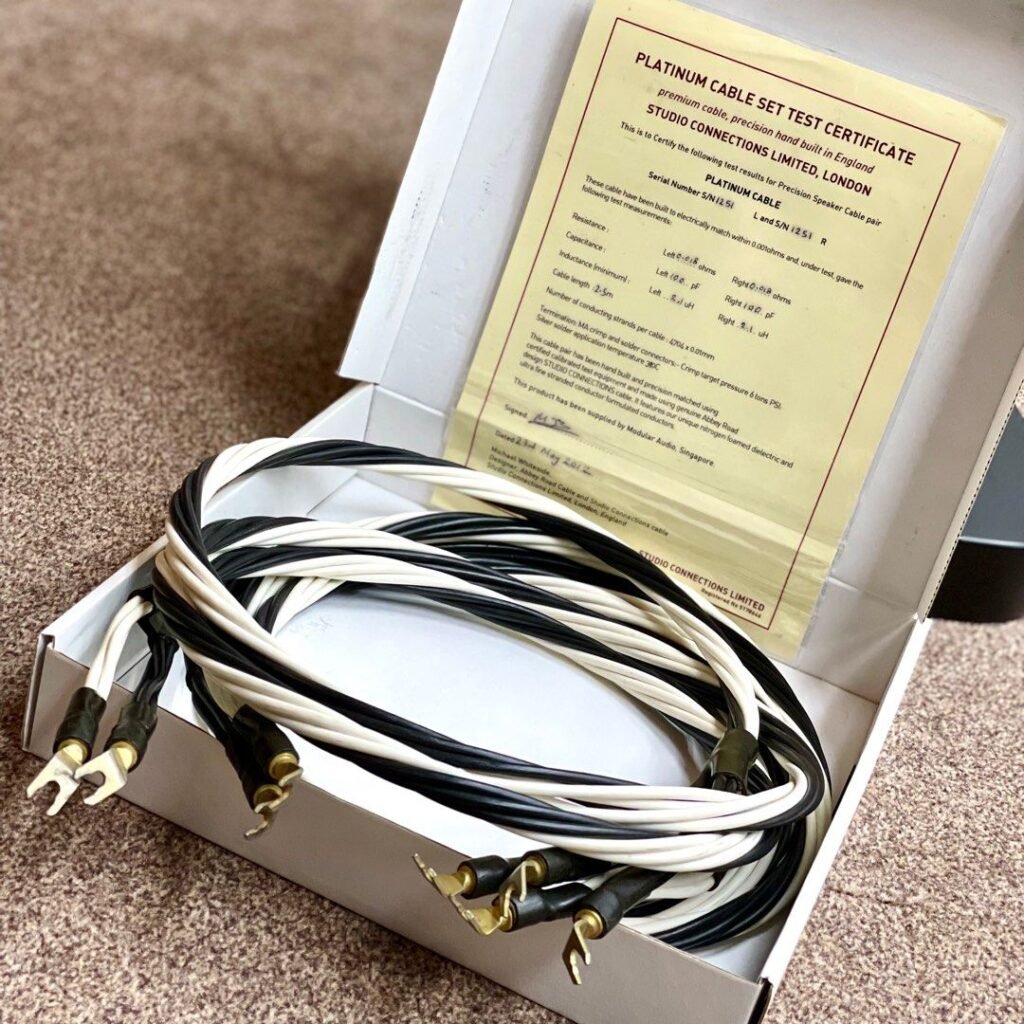
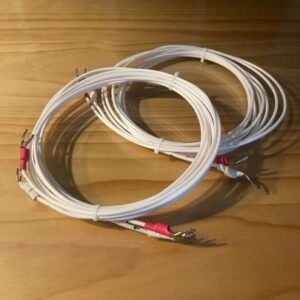
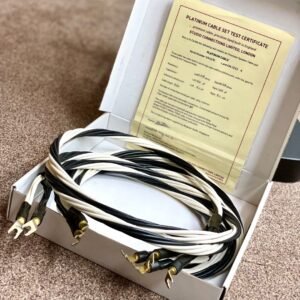
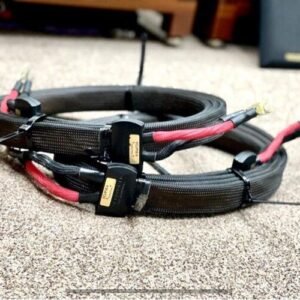
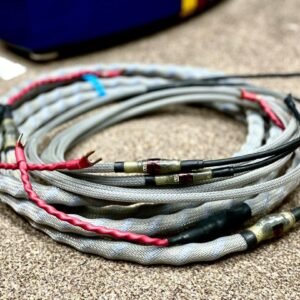
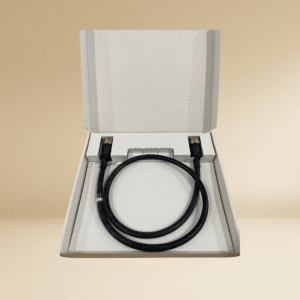
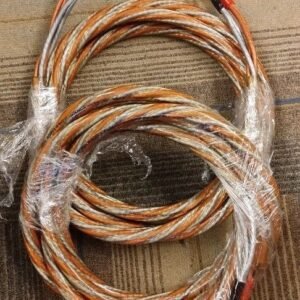
Well-regarded speaker cables change hands easily. Isolation platforms and racks remain functionally identical years later and a well-made speaker cable today will function identically in 10 or 20 years. That’s not true for most electronics.
Typical depreciation: 10–20%
Accessories are low-risk purchases if you buy reputable brands. They’re also among the easiest items to resell when fine-tuning a system.
How I’d Apply This Knowledge Today
If I were advising a friend building a system now, I’d suggest:
Buy digital gear used, especially streamers and DACs
Spend confidently on speakers and analogue electronics
Avoid paying full retail for fast-evolving technology
Prioritise brands with proven resale demand
Marketplaces like SoundTribeAsia make this strategy far easier by offering visibility into real-world pricing, condition, and regional demand.
Final Thoughts
Hi-Fi depreciation isn’t a flaw in the hobby — it’s a reality of it. Once you understand how different components age financially, you gain flexibility, confidence, and freedom.
In my experience, the happiest audiophiles aren’t the ones chasing the newest gear. They’re the ones who understand value, timing, and how to let great equipment move on when the music — or life — changes. As always, happy listening!