Buying Pre-Owned Speakers: A Beginner’s Guide to Making the Right Choice

Buying Pre-owned speakers

TL;DR — Read This First

Buying pre-owned speakers can be one of the smartest ways to enter Hi-Fi or upgrade your system. Focus on driver condition, cabinet integrity, originality of parts, room and amplifier matching, and seller transparency. Floorstanding and bookshelf speakers have different strengths and risks, but with the right checks, both can be safe and rewarding purchases on SoundTribeAsia.

Buying pre-owned speakers is often less intimidating than it sounds — and in many cases, it’s one of the most sensible decisions a music lover can make. Unlike digital audio products, speakers do not become outdated due to software changes or new formats. A well-designed speaker from ten or even twenty years ago can still sound excellent today. However, because speakers are physical objects made of moving parts and large cabinets, there are specific things buyers must understand before committing to a purchase.

This guide is written for readers with little audio knowledge and aims to explain, in simple terms, what truly matters when choosing pre-owned speakers, whether they are large floorstanding models or compact bookshelf speakers.

Understanding Floorstanding vs Bookshelf Speakers

Before assessing condition, it’s important to understand the difference between floorstanding and bookshelf speakers, as they suit different spaces and listening needs. Neither type is “better” than the other. The right choice depends on room size, listening habits, and available space.

What are Floorstanding Speakers?

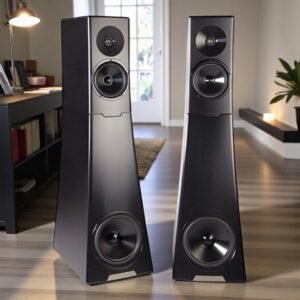
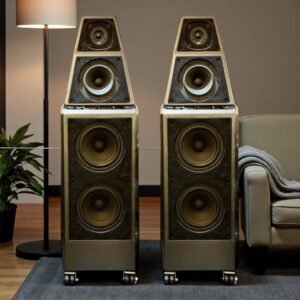
Floorstanding speakers are tall, full-size speakers designed to stand directly on the floor. They usually contain multiple drivers and larger cabinets, allowing them to produce deeper bass and a bigger, more room-filling sound. These speakers are often chosen for living rooms or larger spaces and can work well without a separate subwoofer. In the pre-owned market, floorstanding speakers are frequently sold because owners move to smaller homes or apartments, not because the speakers are faulty. This often creates excellent value opportunities. However, because of their size and weight, they are more prone to cabinet damage during transport, such as chipped corners, scratched surfaces, or stress to internal components.

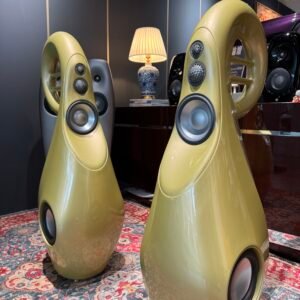
YG Acoustics Hailey 2.2
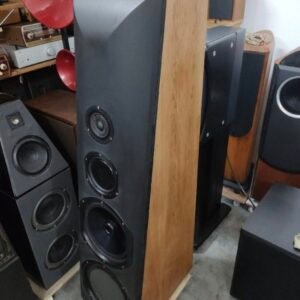
Neat Acoustics Momentum 3i

What are Bookshelf Speakers?

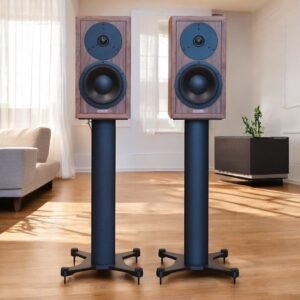
Bookshelf speakers, also called standmount speakers, are smaller and designed to be placed on shelves or speaker stands. They are ideal for bedrooms, apartments, or smaller living spaces. While they usually do not produce as much bass as floorstanders, many high-quality bookshelf speakers offer excellent clarity and balance. In the pre-owned market, bookshelf speakers are generally easier and safer to buy because they are lighter, simpler to ship, and less likely to suffer structural damage. However, their smaller drivers — especially tweeters — can be more vulnerable to damage from loud playback.

Why Speaker Drivers Matter More Than Anything Else

Buying Pre-Owned Speakers: A Beginner’s Guide to Making the Right Choice - New & Pre-owned Hi-Fi | SoundTribeAsia

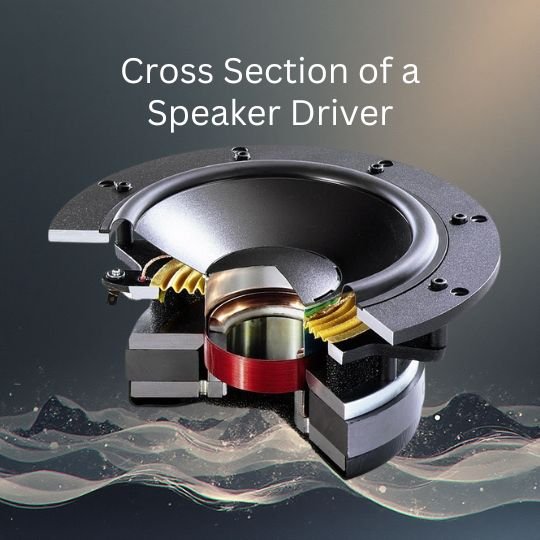
The most important part of any speaker is its drivers — the circular components on the front that physically move to create sound. These typically include a tweeter for high frequencies, a midrange driver for vocals and instruments, and a woofer for bass.

When buying pre-owned speakers, driver condition should always be your top priority. Drivers should look clean and uniform on both speakers. Dents in tweeters, cracks in cones, or mismatched drivers between the left and right speaker are warning signs. Even small damage can affect sound quality.

If possible, gently pressing the woofer cone inward (with clean hands and light pressure) should result in smooth, silent movement. Any scratching or grinding sound may indicate internal damage, which can be expensive to repair. For beginners, it’s worth noting that replacing drivers is rarely straightforward — speakers are carefully tuned at the factory, and non-original drivers often change the sound and reduce resale value.

Surrounds and Age: What Beginners Often Miss

Around each woofer is a ring called the surround, which allows the cone to move freely. Surrounds are made from different materials, commonly foam, rubber, or cloth.

Foam surrounds can deteriorate over time, especially in hot or humid environments, eventually becoming brittle or crumbly. Rubber and cloth surrounds usually last much longer. This does not mean foam-surround speakers are bad — many excellent vintage speakers use foam — but it does mean buyers should inspect them carefully.

Re-foaming is possible and often affordable, but originality matters. A professionally restored speaker with proper materials is usually fine, while poorly done repairs can affect sound quality.

Buying Pre-Owned Speakers: A Beginner’s Guide to Making the Right Choice - New & Pre-owned Hi-Fi | SoundTribeAsia

Original Parts and Why They Matter

Buying Pre-Owned Speakers: A Beginner’s Guide to Making the Right Choice - New & Pre-owned Hi-Fi | SoundTribeAsia

One common issue in the pre-owned speaker market is non-original parts. Sometimes drivers are replaced after damage, but not always with exact factory replacements.

This matters because speakers are designed as complete systems. The cabinet, drivers, and crossover (the internal circuit that directs frequencies to each driver) are all tuned together. Replacing a driver with a “similar” one can alter the balance of the sound and reduce long-term value.

Always ask sellers whether all drivers and components are original. Honest sellers will usually disclose repairs or replacements clearly.

Cabinet Condition Is More Than Cosmetic

While scratches and small marks are normal on pre-owned speakers, cabinet condition affects more than appearance. Cracks, swelling, or loose joints may indicate moisture damage or structural stress. These issues can introduce unwanted vibrations, which negatively affect sound.

Floorstanding speakers should stand firmly without wobbling. Check the condition of spikes, feet, or base plates, as instability can reduce performance. For bookshelf speakers, damaged corners or loose baffles may indicate past drops or poor handling.

Cosmetic flaws are often acceptable and can reduce price, but structural damage should be approached with caution.

Buying Pre-Owned Speakers: A Beginner’s Guide to Making the Right Choice - New & Pre-owned Hi-Fi | SoundTribeAsia

Room Size and Speaker Matching

Buying Pre-Owned Speakers: A Beginner’s Guide to Making the Right Choice - New & Pre-owned Hi-Fi | SoundTribeAsia

One of the most common beginner mistakes is buying speakers that do not suit the room.

Large speakers in a small room can produce overwhelming or “boomy” bass, while small speakers in a large space may sound thin or strained. Rear-ported speakers (those with openings at the back) need space behind them to perform properly.

Ask sellers about the room size the speakers were used in and how far they were placed from walls. This information helps you judge whether the speakers will work in your own space.

Amplifier Compatibility: Keeping It Simple

Not all speakers are equally easy to drive. Some require more amplifier power to perform well.

While specifications like sensitivity and impedance can seem technical, beginners can keep things simple by ensuring their amplifier is suitable for the speaker model. If a speaker is known to be “power hungry,” it may struggle with smaller amplifiers. Mismatched systems often sound flat or harsh, even if both components are high quality.

When in doubt, check whether the speaker was commonly paired with similar amplifiers or ask for guidance before buying.

Buying Pre-Owned Speakers: A Beginner’s Guide to Making the Right Choice - New & Pre-owned Hi-Fi | SoundTribeAsia

Age vs Usage: The Bigger Picture

Buying Pre-Owned Speakers: A Beginner’s Guide to Making the Right Choice - New & Pre-owned Hi-Fi | SoundTribeAsia

Age alone is often a misleading indicator when judging the condition of pre-owned speakers. In real-world use, how a speaker has been treated matters far more than how old it is. A carefully maintained speaker that is fifteen years old can easily be in better working condition than a five-year-old speaker that has been driven hard, pushed to high volumes regularly, or placed in a poor environment.

Speakers that are used at high volumes for long periods experience greater mechanical stress. Drivers move more aggressively, voice coils heat up more frequently, and surrounds are worked harder, all of which can accelerate wear. In contrast, speakers used at moderate listening levels in a home environment often experience very little mechanical fatigue over many years.

Environmental factors also play a major role. Speakers kept in non-smoking, clean, and climate-controlled homes tend to age far more gracefully. Smoke particles can leave residue on drivers and inside cabinets, while excessive humidity or heat can affect surrounds, adhesives, and cabinet materials over time. Homes with pets may introduce additional risks such as scratches, hair entering ports, or accidental knocks to drivers.

For these reasons, it is always worth asking sellers about usage habits, listening volume, room conditions, and storage history. Speakers that have lived in stable, well-cared-for environments often retain both their sound quality and physical integrity far better than newer speakers that have simply been used harder.

Final Thoughts: Buying Pre-Owned Speakers with Confidence

Buying pre-owned speakers is not about cutting corners — it’s about making informed, thoughtful choices. Speakers age slowly compared to other Hi-Fi components, making them ideal candidates for the second-hand market.

By understanding the differences between floorstanding and bookshelf speakers, inspecting drivers and cabinets carefully, confirming originality, and matching speakers to your room and amplifier, you dramatically reduce risk and increase satisfaction.

For beginners, platforms like SoundTribeAsia exist to make this process clearer and safer by encouraging transparency, proper descriptions, and realistic expectations. Done right, buying pre-owned speakers isn’t a compromise — it’s often the most practical and rewarding way to enjoy great sound.

if in doubt, one can also employ a SoundTribeAsia Conceirge to provide an independent assessment of the product!

Leave a Reply

Main Menu