Bookshelf vs Floorstanding Speakers: HDBs and Condos

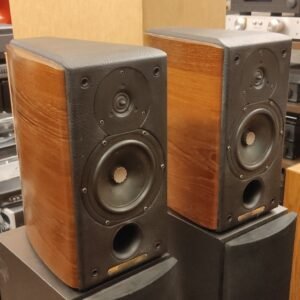
Bookshelf Speakers for HDB or condo

Big Speaker? Small Speaker?

Living in HDB or Condo? Choosing between bookshelf speakers and floorstanding speakers is one of the most common — and most misunderstood — decisions in Hi-Fi.

As a marketplace serving new and pre-owned Hi-Fi equipment across Singapore and the region, we’ve seen buyers assume that larger floorstanding speakers must automatically sound better. Others believe bookshelf speakers are only for beginners or smaller budgets.

The reality is more nuanced.

This guide consolidates practical experience from real-world systems, compact Asian living spaces, and long-term ownership patterns to help you choose based on room size, listening habits, and system balance — not assumptions.

Room Size Comes First

When deciding between bookshelf vs floorstanding speakers, the most important factor is room size.

In many Singapore homes, living rooms of HDB and Condos range between 12–20 square metres. Bedrooms are often smaller.

Large floorstanding speakers are typically designed to energise bigger spaces. When placed in small rooms, their extended bass and larger cabinets can overwhelm the space.

For example, a three-way tower speaker with dual 8-inch woofers may produce powerful bass in a showroom. But in a compact 14 sqm living room, that same bass can become, Boomy, Muddy and Fatiguing over time

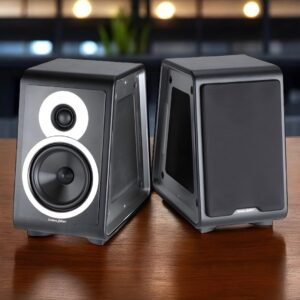
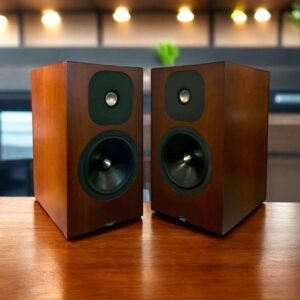
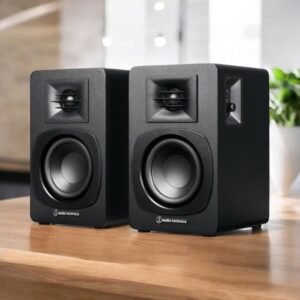
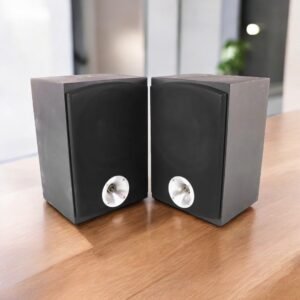
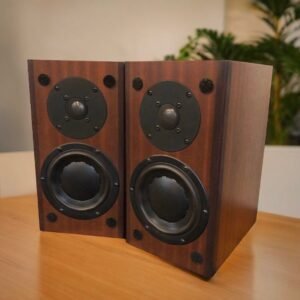
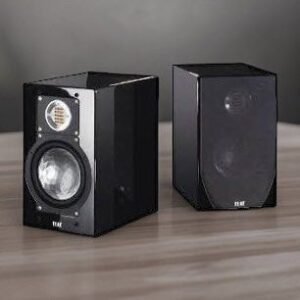
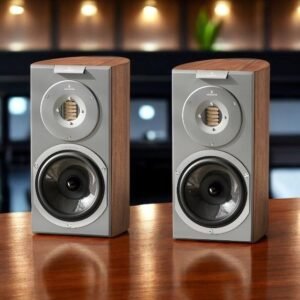
In contrast, a well-engineered bookshelf speaker with a 5- or 6-inch driver may produce tighter, cleaner bass in the same space.This is why many experienced listeners searching for speakers for small rooms intentionally choose compact designs.

Listening Distance:

Another overlooked factor in the bookshelf vs floorstanding debate is listening distance.

Most floorstanding speakers are engineered to integrate properly at 2.5–3 metres or more. If your sofa is only 1.8–2 metres away — common in apartments — the sound from multiple drivers may not blend optimally.

Bookshelf speakers are often designed for closer listening distances. In near-field or small-room setups, they frequently produce sharper imaging and better focus. If your listening distance is short, bookshelf speakers may not be the compromise — they may be the correct technical choice.

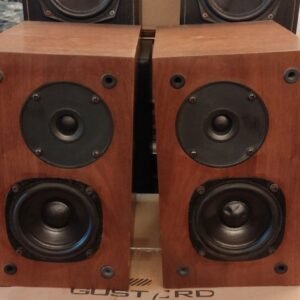
bookshelf speakers in living room

Bass Extension vs Bass Control

One reason people lean toward tower speakers is bass depth. Yes, floorstanders usually produce deeper bass. But deeper bass only works when the room can support it.

In small rooms, excessive bass energy reflects off walls quickly, creating uneven low frequencies known as room modes. The result is exaggerated bass notes and missing others.

This is why many balanced systems in compact spaces use: High-quality bookshelf speakers, Proper speaker placement Or a carefully integrated subwoofer. Control matters more than extension.

Placement Flexibility in Real Homes

One of the biggest differences between bookshelf and floorstanding speakers rarely shows up in specifications — it shows up in your living room. Real homes are not acoustically treated listening studios. Furniture placement, television consoles, dining tables, and walkways all compete for space. In compact Singapore apartments especially, ideal speaker placement is often more theoretical than practical.

Floorstanding speakers typically perform best when they are positioned some distance away from rear and side walls. This space allows bass to develop properly and prevents excessive reflections that can muddy the sound. They also benefit from symmetrical placement, meaning both speakers should be equally spaced from side walls and listening position. In reality, many homes cannot offer this symmetry. One speaker may end up near a corner while the other sits beside a cabinet. This imbalance can significantly affect stereo imaging and bass response.

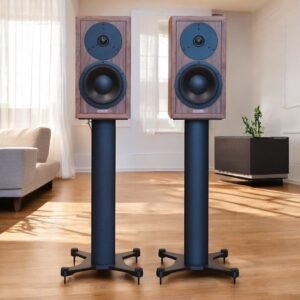
Bookshelf speakers tend to be more forgiving. Their smaller cabinets and usually more modest bass output allow them to integrate more easily into real-world layouts. They can sit on stands, shelves, or media consoles without dominating the space visually or physically. For households where Hi-Fi shares space with daily life, practicality often determines long-term satisfaction. A speaker that looks proportionate and fits comfortably into the room is more likely to remain well-positioned and consistently enjoyed.

When Floorstanding Speakers Make Sense

Despite these practical considerations, floorstanding speakers are not inherently inferior or impractical. They simply require the right conditions to shine. In larger rooms — typically 20 to 40 square metres — towers can deliver a sense of scale and authority that smaller speakers struggle to replicate. They move more air effortlessly and can fill open-plan living spaces without sounding strained.

For listeners who enjoy orchestral music, live recordings, or dynamic genres at higher playback levels, floorstanders offer greater headroom and impact. When seated at an appropriate distance, their multiple drivers blend cohesively to create a wider and taller soundstage. This can result in a more immersive presentation, particularly in rooms that allow adequate placement away from walls.

The key is ensuring the environment supports them. If you have sufficient space behind and beside the speakers, adequate listening distance, and an amplifier capable of controlling larger drivers, floorstanding speakers can be immensely rewarding. In such scenarios, their scale becomes an advantage rather than a liability.

Budget Strategy: Where Should You Invest?

One of the most common mistakes we observe in the marketplace is allocating too much of the budget toward physical size rather than system balance. Buyers often stretch their spending to acquire large floorstanding speakers while pairing them with modest amplification or neglecting room considerations. This can lead to underwhelming performance.

In many real-world systems, a thoughtfully chosen bookshelf speaker from a higher product tier paired with a strong integrated amplifier outperforms entry-level floorstanding speakers driven by weaker electronics. Amplification quality has a profound impact on clarity, control, and dynamics. When budget is limited, prioritising a well-matched system often yields more satisfying results than prioritising cabinet size.

This is especially relevant in the pre-owned speakers Singapore market, where buyers can access higher-tier compact speakers at attractive prices. A well-maintained bookshelf model from a respected brand may offer refinement and engineering advantages that entry-level towers cannot match at the same price point. In compact regional homes, this strategy often provides better long-term value and enjoyment.

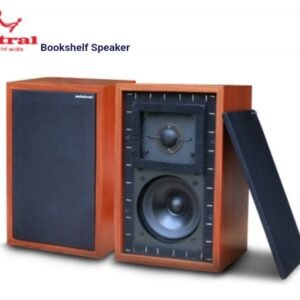
bookshelf speakers in living room

So, Which Speakers Should You Buy?

The decision ultimately comes down to honest self-assessment. Consider the actual size of your room, your listening distance, and how much space you can realistically allocate for speaker placement. If your room is under 18 square metres and your seating position is less than 2.5 metres from the speakers, a high-quality bookshelf model is often the more intelligent long-term choice. It will likely integrate more smoothly and deliver a cleaner, more controlled presentation.

If, however, you have a larger dedicated space, sufficient listening distance, and amplification capable of driving larger speakers properly, floorstanding speakers can provide greater scale and presence. In the right environment, they can create a more expansive and powerful listening experience.

Final Thoughts

The bookshelf versus floorstanding speakers debate is not about prestige or visual impact. It is about system matching. Larger and more expensive speakers do not automatically guarantee better sound. The right speaker is the one that integrates harmoniously with your listening room in your HDB or Condo, listening habits, and supporting equipment.

From observing buyer experiences across the region, the most satisfied owners are those who selected speakers suited to their environment rather than simply the largest model their budget allowed. Better sound comes from thoughtful matching — not bigger cabinets.

In the context of HDB or Condo, it really depends on how large your space is. A pair of bookshelves or a small pair of floorstanding would usually fit 99% of our homes on this tiny sunny island.

Leave a Reply

Main Menu